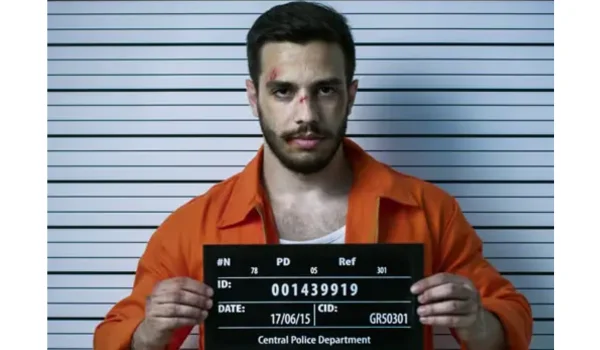
A mugshot is a photograph taken by law enforcement after a person is booked into custody. It is commonly associated with an arrest and is generally taken as part of the booking process.
However, a mugshot does not prove that a person committed a crime. A person may be arrested without being convicted, and a criminal case can later be dismissed, reduced, or end in an acquittal.
The rules surrounding mugshots are not the same across the United States. Whether a mugshot can be obtained by the public, published online, or removed depends on the agency involved, the state, the type of record, and applicable privacy and public-records laws.
Quick Information
| Topic | Details |
| Meaning | Photograph taken during the booking process |
| Usually taken by | Police, sheriff’s office, jail, or other law-enforcement agency |
| Common purpose | Identification and custody records |
| Does it prove guilt? | No |
| Is every mugshot public? | No |
| Federal mugshots | Subject to federal privacy and disclosure rules |
| State mugshots | Access varies by state and agency |
| Can a mugshot be removed? | Sometimes, depending on the law and circumstances |
| Main concern | Privacy, reputation, and long-term online availability |
What Is a Mugshot?
A mugshot, also called a booking photograph, is an image taken when a person is processed after being taken into custody.
It is normally connected with a person’s booking record and may be stored with other information such as:
- Name
- Date of birth
- Booking number
- Arrest information
- Alleged offense
- Booking date
- Custody information
The exact booking process differs between jurisdictions.
It is important to understand the difference between an arrest and a conviction. An arrest means a person was taken into custody based on suspected criminal activity. A conviction means a court has determined that the person is guilty or the person has entered a guilty plea. Therefore, seeing a mugshot does not by itself establish criminal guilt.
Why Are Mugshots Taken?
Law-enforcement agencies use booking photographs for administrative and identification purposes.
A mugshot can help authorities:
- Identify a person in custody
- Maintain booking records
- Distinguish between individuals
- Support jail and court administration
- Assist with identification when legally appropriate
A mugshot is therefore primarily a law-enforcement record rather than a court judgment.
Are Mugshots Public Records in the USA?
There is no single nationwide rule making every mugshot automatically public.
State and local governments have their own public-records laws. The federal Freedom of Information Act (FOIA) also does not generally control state or local police records. The U.S. Department of Justice explains that FOIA applies to federal executive-branch agencies, while state and local records are governed by their own laws.
This means access to a mugshot may depend on:
- Which law-enforcement agency created it
- Whether the case is state or federal
- The state where the arrest occurred
- Whether the investigation is ongoing
- Privacy protections
- Court orders or other legal restrictions
- The agency’s applicable disclosure policy
For this reason, a mugshot that is available on one county sheriff’s website may not be publicly available from another jurisdiction.
Are Federal Mugshots Public?
Federal booking photographs can receive stronger privacy protection than many people assume.
The DOJ’s FOIA guidance explains that courts have found booking photographs may be withheld under FOIA Exemption 7(C), which protects personal privacy in certain law-enforcement records.
Federal courts have recognized that booking photographs can carry a significant privacy and reputational impact. The DOJ has also noted that federal booking photographs are not generally treated as automatically available to the public merely because someone has been arrested or charged.
There can still be circumstances in which authorities release a photograph, such as certain law-enforcement purposes. The specific circumstances matter.
Can You Find Someone’s Mugshot Online?
Sometimes, yes.
A mugshot may appear online through:
- A county sheriff’s website
- A local jail’s inmate database
- A police department website
- A state corrections or law-enforcement database
- News organizations
- Public-record websites
- Third-party websites that republish arrest information
But online availability does not necessarily mean the photograph is an official or complete record.
Third-party websites can also contain outdated, incomplete, or misleading information. Anyone researching an arrest should try to verify the information with the appropriate government agency or court record.
Mugshot vs. Criminal Record
A mugshot and a criminal record are not the same thing.
A mugshot is a photograph associated with booking.
A criminal record can contain information about arrests, charges, court proceedings, convictions, sentences, and other criminal-justice information, depending on the jurisdiction and record system.
For example, a person may have a mugshot because they were arrested, while the underlying criminal case was later dismissed. Therefore, publishing the mugshot without explaining the final case outcome can create a misleading impression.
Can a Mugshot Be Removed From the Internet?
Sometimes, but removal is not guaranteed.
There are several different issues involved:
- Government Website Removal
A government agency may have its own rules concerning how long booking information remains online.
- Case Outcome
If charges were dismissed, reduced, or the person was acquitted, the individual may have additional legal options depending on the jurisdiction.
- Expungement or Record Sealing
Some states allow qualifying criminal records to be sealed or expunged. The effect of such an order can vary, and it does not necessarily mean that every copy of an image already published online will automatically disappear.
- Third-Party Websites
Removing a record from an official government website does not necessarily remove copies that have already been republished by other websites.
This is one reason mugshot-related privacy issues can be complicated.
Can You Request Your Own Mugshot?
The answer depends on the agency and jurisdiction.
For federal records, FOIA and the Privacy Act can provide different mechanisms for requesting government records. DOJ guidance explains that FOIA is primarily designed to provide access to government information, while the Privacy Act concerns records maintained about individuals and includes separate requirements and protections.
For state and local records, a person generally needs to follow the applicable state’s public-records process or contact the agency maintaining the record.
A request may also be subject to exemptions, privacy restrictions, or other limitations.
What Happens if a Mugshot Is Published After an Arrest?
Publication of a mugshot does not determine the outcome of the criminal case.
The case may later result in:
- No charges
- Dismissal
- Acquittal
- Plea agreement
- Conviction
- Probation
- Jail or prison sentence
- Appeal or other post-conviction proceedings
Therefore, anyone reporting or republishing a mugshot should distinguish clearly between an allegation, arrest, criminal charge, and conviction.
Why Can Mugshots Cause Problems?
A mugshot can remain searchable long after an arrest.
Potential consequences can include:
- Employment concerns
- Reputation damage
- Personal embarrassment
- Problems during background checks
- Difficulty explaining an old arrest
- Continued online association with an accusation
The privacy concern is one reason federal courts have recognized a significant privacy interest in certain booking photographs. DOJ materials describe mugshots as particularly sensitive because they can visually connect a person with a criminal accusation.
Mugshot Websites and Privacy Concerns
Some websites specialize in collecting and publishing arrest-related information. Their practices and legal status can vary significantly.
A person who finds an old mugshot online should first determine:
- Where the image originally came from
- Whether the government agency still publishes it
- What happened to the underlying criminal case
- Whether the record has been sealed or expunged
- What removal process the website offers
- Whether state law provides additional remedies
A person dealing with a significant reputation or employment issue may also want advice from a lawyer familiar with the applicable state’s record-sealing, privacy, or defamation laws.
Does a Mugshot Mean Someone Is Guilty?
No.
This is one of the most important points about mugshots.
An arrest is not the same as a conviction. A person can be arrested and later have the charges dismissed or be found not guilty.
For that reason, articles, social media posts, and websites should avoid presenting an arrest photograph as proof that the person committed a crime.
How to Check the Accuracy of a Mugshot Record
If you are researching a mugshot or arrest record, use reliable sources whenever possible.
Check:
- The official sheriff or police department
- The relevant county jail
- The state court system
- Federal court records when applicable
- Official government corrections databases
- Court documents showing the final case outcome
Do not rely solely on a third-party mugshot website.
Frequently Asked Questions
Is a mugshot proof of a crime?
No. A mugshot generally shows that a person was booked or photographed by law enforcement. It does not establish guilt or prove that the person committed the alleged offense.
Are all mugshots public in the United States?
No. Public access varies by state, agency, type of case, and applicable privacy or public-records law.
Can I request someone’s mugshot?
Possibly, depending on the jurisdiction and record-access rules. State and local records are governed by applicable state and local laws, while federal records may be subject to FOIA exemptions and privacy protections.
Can I remove my mugshot from the Internet?
Possibly, but there is no universal removal process. Government records, sealed or expunged records, and third-party copies can involve different procedures.
Does an expungement automatically delete every online mugshot?
Not necessarily. The legal effect of expungement or sealing varies by jurisdiction, and third-party websites may have separate copies of information.
Where can I verify whether a mugshot is legitimate?
Start with the law-enforcement agency or jail that allegedly created the booking record and check the relevant court records for the case’s actual status.
Final Takeaway
A mugshot is a booking photograph, not a finding of guilt. Although mugshots may be publicly accessible in some parts of the United States, there is no single nationwide rule that makes every booking photograph freely available.
The biggest difference is between state and local records and federal records. State public-records laws can vary considerably, while federal booking photographs can receive privacy protection under FOIA.
Anyone researching, publishing, or trying to remove a mugshot should therefore look at the specific jurisdiction, the underlying case, and the current legal status instead of relying on the photograph alone.
This article provides general information about U.S. law and public records. Laws and procedures vary by state and can change. It is not legal advice.