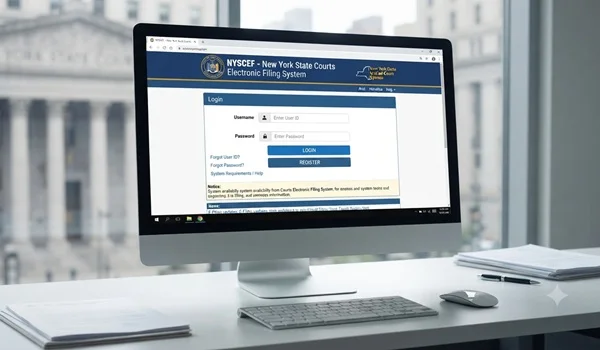
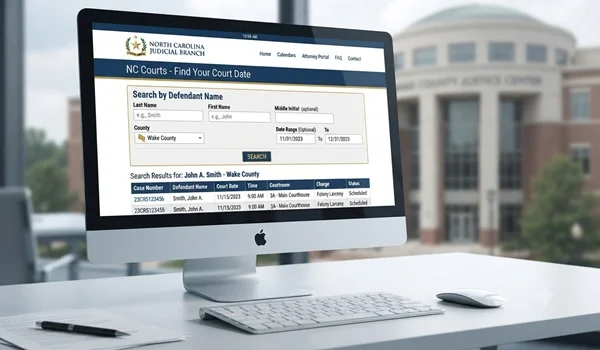
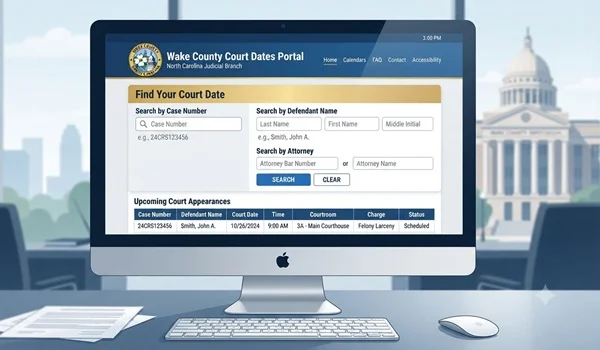
Small claims court is designed to provide a simpler and usually less expensive way to resolve certain disputes involving relatively small amounts of money. Instead of going through a lengthy civil lawsuit, eligible parties can present their case in a streamlined court process.
The exact dollar limit, filing fee, forms, deadlines, service requirements, and hearing procedure depend on the state and court where you file.
Quick Information
| Question | General Answer |
| What is small claims court? | A simplified court process for certain lower-value disputes |
| Who can file? | Individuals and, in many jurisdictions, businesses |
| What can you sue for? | Eligible money or property disputes |
| Do you need a lawyer? | Often not required |
| Filing fee | Depends on jurisdiction |
| Where do you file? | Usually the appropriate local court |
| Is there a claim limit? | Yes, and it varies by jurisdiction |
| Can you appeal? | Sometimes, depending on local rules |
What Is a Small Claims Case?
A small claims case is a civil lawsuit involving a dispute that falls within the court’s small-claims monetary limit.
Common examples include disputes involving:
- Unpaid loans
- Property damage
- Security deposits
- Unpaid bills
- Breach of contract
- Damage caused by another person
- Certain consumer disputes
- Money owed for services
Small claims court generally focuses on obtaining a money judgment or other relief allowed under local law.
Step 1: Determine Whether Your Case Qualifies
Before filing anything, check whether your dispute is eligible for small claims court.
Important questions include:
- How much money are you seeking?
- What type of dispute do you have?
- Is the defendant an individual or business?
- Where did the dispute occur?
- Where does the defendant live or do business?
- Has the filing deadline expired?
Every state has its own small-claims rules.
For example, the monetary limit in one state may be very different from the limit in another.
Step 2: Identify the Correct Court
Choosing the correct court is extremely important.
Depending on your state’s rules, you may need to file in a court connected to:
- The defendant’s residence
- The defendant’s business
- Where the dispute occurred
- Where a contract was performed
- Where property involved in the dispute is located
This is generally called venue.
Filing in the wrong location can delay your case or potentially result in dismissal or transfer.
Step 3: Identify the Defendant Correctly
Use the defendant’s correct legal name.
If you are suing a business, determine whether it is:
- Corporation
- LLC
- Partnership
- Sole proprietorship
- Other business entity
A business may have a public-facing name that is different from its legal name.
Getting the defendant’s name wrong can create problems with service and enforcement of the judgment.
Step 4: Gather Your Evidence
Before filing, organize the evidence supporting your claim.
Useful evidence may include:
- Contracts
- Receipts
- Invoices
- Bills
- Photographs
- Emails
- Text messages
- Letters
- Estimates
- Payment records
- Witness information
- Relevant documents
Create a simple timeline showing what happened and when.
The goal is to clearly explain what happened, how much you lost, and why the defendant is legally responsible.
Step 5: Complete the Small Claims Forms
The court will typically require a complaint, statement of claim, or similar filing form.
You may need to provide:
- Your name and contact information
- Defendant’s name
- Defendant’s address
- Amount you are claiming
- Description of the dispute
- Date of the incident
- Supporting information required by the court
Keep your explanation factual and concise.
Do not exaggerate your losses or include claims you cannot support.
Step 6: Pay the Filing Fee
Small claims courts generally charge a filing fee.
The amount varies depending on:
- State
- County
- Amount of the claim
- Type of case
Some courts allow people who cannot afford the fee to request a fee waiver or similar relief.
Check the court’s official fee schedule before filing.
Step 7: File the Claim
Depending on the jurisdiction, you may be able to file:
- Online
- In person
- By mail
Not every court provides all three options.
After filing, the court may assign a case number and issue a summons or notice for the defendant.
Keep copies of everything you submit.
Step 8: Serve the Defendant
Filing the case is not enough.
The defendant generally must receive legally valid service of process.
The rules vary by jurisdiction and may allow service through:
- Sheriff or constable
- Process server
- Another authorized person
- Certified mail in certain jurisdictions
You usually cannot simply hand the defendant the papers yourself unless the applicable court rules specifically permit it.
Failure to properly serve the defendant can prevent your case from moving forward.
Step 9: Prepare for the Hearing
If your case goes to a hearing, organize your evidence before arriving at court.
Prepare a short explanation covering:
- What happened
- When it happened
- What agreement or legal obligation existed
- What the defendant did or failed to do
- How much money you lost
- What evidence proves your claim
Bring the original documents if the court requires them, along with copies for the court and other parties when appropriate.
Step 10: Attend the Hearing
Arrive early and follow the court’s instructions.
The judge or magistrate may allow both sides to explain their positions and present evidence.
You may be asked questions about:
- Your claim
- Documents
- Payments
- Communications
- Damages
- Your relationship with the defendant
Stay calm and answer questions directly.
What Happens If the Defendant Does Not Appear?
The consequences depend on state law and the circumstances of the case.
In some jurisdictions, if the defendant was properly served but does not appear, the court may enter a default judgment.
However, you generally still need to prove that you are entitled to the amount you are requesting.
Do not assume that failing to appear automatically guarantees that you will win.
What Happens If You Win?
Winning a small claims case usually results in a judgment.
A judgment establishes that the defendant owes you the amount ordered by the court.
Importantly, receiving a judgment does not always mean you immediately receive the money.
If the defendant does not voluntarily pay, you may need to use legally available judgment-enforcement procedures.
Depending on the jurisdiction, these can include:
- Wage garnishment
- Bank-account garnishment
- Property liens
- Execution procedures
- Other collection remedies
The available remedies vary by state.
What If You Lose?
If the court rules against you, you may have an opportunity to appeal depending on the jurisdiction.
Small claims appeals can have strict deadlines and different rules from ordinary civil appeals.
If you are considering an appeal, check the court’s rules immediately after receiving the judgment.
How Much Does It Cost to File Small Claims?
There is no nationwide filing fee.
Your total cost can potentially include:
- Filing fee
- Service fee
- Copying costs
- Witness expenses
- Travel
- Other court-approved expenses
Some jurisdictions allow certain court costs to be added to a successful judgment.
Do You Need a Lawyer?
In many small claims courts, individuals can represent themselves.
This is commonly called self-representation or appearing pro se.
Whether attorneys are allowed can vary by jurisdiction and case type.
Even when a lawyer is not required, legal advice may be useful if:
- The dispute is complicated
- A large amount is at stake
- The defendant has raised a legal defense
- You have questions about deadlines
- You are dealing with a business or contract dispute
How Long Does Small Claims Court Take?
There is no standard nationwide timeline.
Your case could take several weeks or several months depending on:
- Court availability
- Service of process
- Defendant’s response
- Continuances
- Evidence
- Case complexity
Some courts schedule small claims matters relatively quickly, while others have longer backlogs.
Common Mistakes to Avoid
Filing in the Wrong Court
Make sure the court has jurisdiction and is the proper venue.
Using the Wrong Defendant Name
Use the legally correct name whenever possible.
Missing the Deadline
Civil claims are subject to statutes of limitations. The deadline depends on the type of claim and jurisdiction.
Failing to Serve the Defendant
Proper service is a critical part of the process.
Bringing Weak Evidence
Statements without supporting evidence may make your claim harder to prove.
Asking for an Unsupported Amount
Only claim damages that you can reasonably support.
Frequently Asked Questions
How do I file a small claims case?
Identify the correct court, confirm that your dispute qualifies, complete the required forms, pay the filing fee, file the claim, and properly serve the defendant.
How much money can I sue for in small claims court?
The limit varies by state and sometimes by court or type of claim.
Do I need a lawyer for small claims court?
Often no. Small claims procedures are generally designed to allow people to represent themselves, although local rules determine whether attorneys are permitted.
Can I file small claims online?
Some courts offer online filing, while others require filing in person or by mail.
What evidence should I bring?
Bring relevant contracts, receipts, photographs, messages, emails, invoices, payment records, estimates, and other evidence supporting your claim.
What happens after I win?
The court enters a judgment. If the defendant does not pay voluntarily, you may need to take additional legal steps to enforce the judgment.
Final Takeaway
Filing a small claims case is generally a straightforward process, but the exact requirements depend heavily on your state and local court. Start by determining whether your dispute falls within the court’s monetary and subject-matter limits. Then identify the correct court, gather evidence, file the required forms, pay the applicable fee, and make sure the defendant is properly served.
If you receive a judgment in your favor, remember that winning the case and collecting the judgment are two different steps.
Disclaimer: This article provides general legal information and is not legal advice. Small claims limits, filing procedures, fees, service requirements, deadlines, and appeal rules vary by state and court. Always check the official court rules for the jurisdiction where you intend to file.